
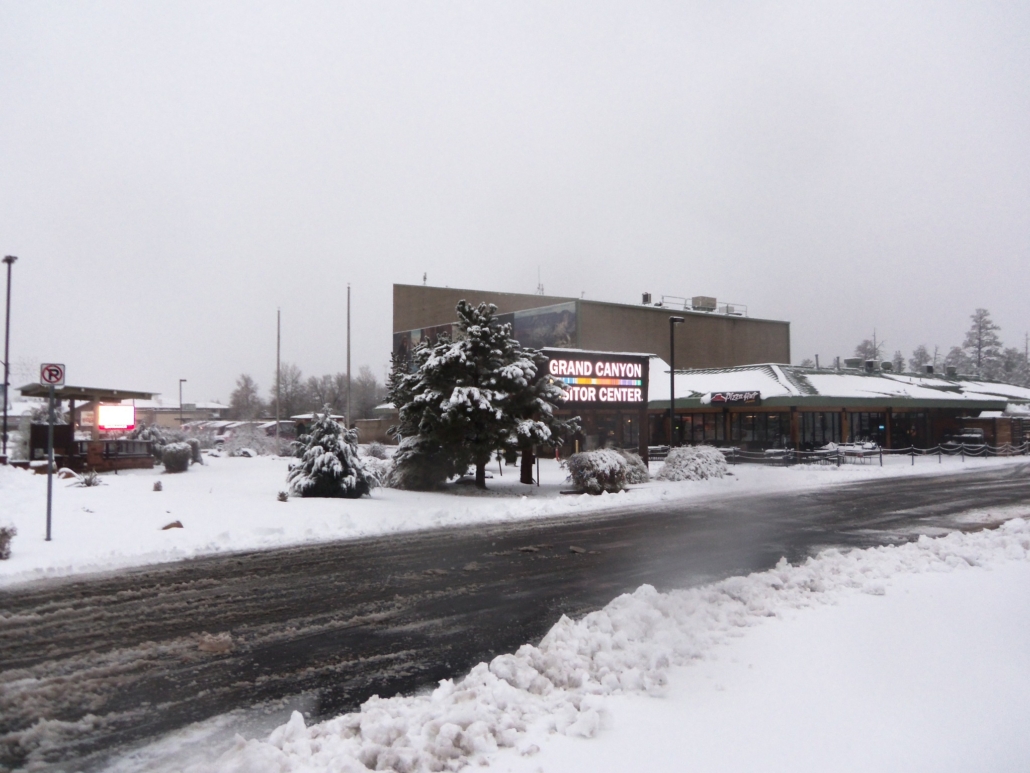
Visiting the Grand Canyon When It Snows: What to Do and How to Stay Safe
Table of Contents
- Does It Really Snow at the Grand Canyon?
- When Does It Snow at the Grand Canyon?
- Is the Grand Canyon Open When It Snows?
- What to Do at the Grand Canyon When It Snows
- The Best Indoor Activities at the Grand Canyon
- The Best Grand Canyon Viewpoints After a Snowfall
- Historic Grand Canyon Snowstorms
- Driving Safely at the Grand Canyon in the Snow
- Winter Hiking and Safety Considerations
- What to Pack for a Snowy Grand Canyon Visit
- What to Do If a Snowstorm Changes Your Plans
- Key Takeaways
- Frequently Asked Questions About Grand Canyon Snow
Imagine standing at the edge of the Grand Canyon as snowflakes drift past towering red rock cliffs, ponderosa pines turn white and clouds move slowly through the canyon below. It is a scene that surprises many visitors and one that relatively few summer travelers ever get to experience.
Although Arizona is famous for its desert landscapes and sunshine, the Grand Canyon experiences a genuine winter. Snow can transform the South Rim into a spectacular winter wonderland, creating extraordinary opportunities for photography, sightseeing and a different kind of national park adventure.
Of course, snowfall can also bring challenges. Icy roads, slippery trails and reduced visibility may require some adjustments to your vacation plans. Fortunately, there are plenty of ways to enjoy the Grand Canyon even when the weather doesn’t cooperate, including experiencing Grand Canyon: Rivers of Time at the Grand Canyon Visitor Center IMAX in Tusayan.
Here is everything you need to know about visiting the Grand Canyon when it snows.
Does It Really Snow at the Grand Canyon?
Yes! Snow is a regular part of winter at Grand Canyon National Park. The South Rim sits approximately 7,000 feet (2,134 meters) above sea level, making it considerably cooler than many other parts of Arizona.
According to the National Park Service, the South Rim averages approximately 58 inches of snowfall annually. The higher North Rim receives considerably more.
| Grand Canyon Location | Approximate Elevation | Average Annual Snowfall |
|---|---|---|
| South Rim | 7,000 feet | 58 inches |
| North Rim | 8,300 feet | 142 inches |
| Phantom Ranch | 2,460 feet | Less than 1 inch |
The dramatic difference in elevation creates a fascinating contrast. Visitors may encounter snow-covered trees and freezing temperatures along the rim while the landscape near the Colorado River remains largely snow-free.
This contrast between winter and desert scenery is part of what makes the Grand Canyon so unique.
When Does It Snow at the Grand Canyon?
Snowfall is most commonly associated with the months of December through March, although snow can arrive earlier in the fall or continue into spring.
- November: Early-season snowfall is possible, particularly toward the end of the month.
- December: Winter conditions become more common, with the possibility of a white Christmas.
- January: Typically one of the coldest and snowiest months at the South Rim.
- February: Significant winter storms remain possible, along with sunny winter days.
- March: A transitional month that can bring both spring-like weather and substantial snowfall.
- April: Occasional late-season snowstorms are still possible.
Snow is never guaranteed during a winter vacation. Visitors may experience several consecutive days of sunshine or arrive just as a major storm moves through Northern Arizona.
Check our Grand Canyon weather guide before your visit.
Related: Visiting the Grand Canyon During Christmas and New Year’s
Is the Grand Canyon Open When It Snows?
The South Rim of Grand Canyon National Park is normally open 365 days a year, including during winter. However, heavy snowfall and icy conditions can temporarily affect access to certain roads, viewpoints, trails and facilities.
South Rim Winter Access
The South Entrance near Tusayan is the primary access point for many winter visitors. Snow removal crews work to maintain park roads, but temporary closures may be necessary during particularly severe storms.
Desert View Drive and Hermit Road may also close until driving conditions improve.
North Rim Winter Closures
Because of its higher elevation and heavier snowfall, the North Rim is closed to regular vehicle access during the winter season. Most winter travelers should plan their visit around the South Rim.
Always check the National Park Service’s current weather and road conditions before traveling.
What to Do at the Grand Canyon When It Snows
A snowy day doesn’t necessarily mean you have to abandon your sightseeing plans. With appropriate preparation and safe conditions, snowfall can actually enhance your Grand Canyon experience.
Experience the Canyon Covered in Snow
There is something particularly beautiful about the contrast between the canyon’s red and orange rock formations and freshly fallen white snow.
Even a light dusting can highlight geological features, emphasizing the shapes and textures of cliffs that might otherwise go unnoticed.
After a storm, the combination of sunshine, snow-covered trees and distant rock formations can create some of the most memorable views of the year.
Enjoy a Winter Photography Adventure
Winter is an excellent season for Grand Canyon photography. The lower angle of the sun creates dramatic shadows, while passing clouds introduce constantly changing light.
Some particularly rewarding winter photography subjects include:
- Snow-covered ponderosa pines framing the canyon.
- Clouds drifting between canyon formations.
- Fresh snow illuminated by sunrise or sunset.
- Historic buildings in Grand Canyon Village surrounded by snow.
- Contrasting colors between the white rim and red rock below.
Keep your camera or smartphone warm, as cold temperatures can reduce battery life. Always take photographs from designated viewing areas and never approach an unprotected edge for a better shot.
Explore Grand Canyon Village
When conditions allow, explore the historic buildings and pathways around Grand Canyon Village.
El Tovar Hotel, Bright Angel Lodge, Hopi House and Kolb Studio take on an entirely different atmosphere when surrounded by snow. Short outdoor walks combined with indoor stops can make for an enjoyable winter afternoon.
Watch the Clouds Clear
One of the most spectacular moments at the Grand Canyon often occurs just after a storm.
Although heavy clouds and fog can completely obscure the canyon, improving weather may gradually reveal the landscape. Individual rock formations emerge through the mist, sometimes illuminated by shafts of sunlight.
If the canyon is hidden when you arrive, don’t assume your visit is ruined. When possible, allow yourself some extra time and return to a viewpoint once conditions improve.
The Best Indoor Activities at the Grand Canyon
When temperatures drop, snow begins falling heavily or visibility becomes limited, there are several worthwhile indoor experiences around the South Rim.
Experience Grand Canyon: Rivers of Time in IMAX
What if you could explore the Grand Canyon even when you couldn’t see it from the rim?
Located in Tusayan, just outside the South Entrance, the Grand Canyon Visitor Center IMAX offers one of the area’s most spectacular indoor experiences.
Grand Canyon: Rivers of Time is a 35-minute immersive IMAX film that takes audiences on an extraordinary journey through the canyon’s landscapes, geological history and the stories of the people who have explored and inhabited the region.
Soar above the canyon, journey along the Colorado River and discover perspectives of this natural wonder that most visitors will never experience in person.
The IMAX experience is particularly appealing on snowy days because it offers:
- A warm, comfortable indoor environment.
- Spectacular canyon scenery regardless of outdoor visibility.
- An entertaining and educational experience for the entire family.
- A deeper understanding of the canyon before exploring the South Rim.
- A flexible activity to enjoy before or after outdoor sightseeing.
Whether you’re visiting during a light snowfall or taking a break from the winter cold, IMAX is a great addition to your Grand Canyon itinerary whenever local travel conditions are safe.
Warm Up at the Explorer’s Café
While visiting the Grand Canyon Visitor Center IMAX, take a break at the Explorer’s Café.
Enjoy a warm meal, grab refreshments and review the weather forecast before continuing your adventure. The Visitor Center also features a retail store where you can browse souvenirs and gifts.
It is a convenient place to regroup during a winter sightseeing day.
Visit the Yavapai Geology Museum
Located at Yavapai Point, the Yavapai Geology Museum provides an interesting introduction to the geological forces that shaped the Grand Canyon.
Large panoramic windows overlook the canyon, allowing visitors to appreciate the landscape from indoors when visibility permits.
Exhibits explain the canyon’s distinctive rock layers and the role of erosion in creating this remarkable landscape.
Discover Historic Kolb Studio
Originally associated with the pioneering photography of the Kolb brothers, Kolb Studio is one of Grand Canyon Village’s most distinctive historic buildings.
Today, visitors can explore exhibitions featuring Grand Canyon art, culture and history.
Check seasonal opening hours and walking conditions before visiting.
The Best Grand Canyon Viewpoints After a Snowfall
While almost every South Rim overlook can be beautiful after fresh snowfall, several viewpoints stand out for their scenery and accessibility.
Mather Point
One of the Grand Canyon’s most iconic viewpoints, Mather Point offers expansive panoramic views and is conveniently located near the park’s main visitor center.
It is an excellent first stop when pathways are safe and visibility has improved.
Yavapai Point
Yavapai Point provides particularly impressive views of the canyon’s geological layers. Its proximity to the geology museum makes it a convenient combination of indoor and outdoor sightseeing.
Hopi Point
Known for its sweeping views and spectacular sunsets, Hopi Point can be especially dramatic following a winter storm.
Access depends on conditions along Hermit Road, which may temporarily close because of snow and ice.
Desert View
The historic Desert View Watchtower and surrounding landscape are particularly photogenic after snowfall. The eastern perspective offers a different view of the canyon and Colorado River.
Check Desert View Drive conditions before making the journey, as this scenic route is susceptible to winter weather closures.
Historic Grand Canyon Snowstorms
While many winter snowfalls are relatively manageable, the Grand Canyon and surrounding Northern Arizona region have experienced some remarkable winter weather events.
December 1967: Arizona’s Storm of the Century
Between December 12 and 20, 1967, a massive winter storm brought extraordinary snowfall to Northern Arizona.
According to the National Weather Service, approximately 31 inches of snow fell at the Grand Canyon’s South Rim during the storm. Nearby Flagstaff received approximately 86 inches.
The storm caused widespread disruption across the region and remains one of Arizona’s most memorable historical winter weather events.
1978: Record-Breaking North Rim Snowfall
The National Park Service reports that the North Rim recorded 272.8 inches of snowfall in 1978 — nearly 23 feet!
Although this represents accumulated snowfall rather than a single storm or the depth of snow on the ground, it demonstrates just how different the Grand Canyon’s climate can be from the warmer desert regions of Arizona.
February 2019: A Historic Northern Arizona Snowstorm
From February 20 to 22, 2019, a powerful winter storm brought heavy snowfall across Northern Arizona.
Flagstaff Airport recorded 35.9 inches of snow in a 24-hour period, establishing a new single-day snowfall record at that location.
At the Grand Canyon, heavy snow forced the temporary closure of Desert View Drive between Grand Canyon Village and Desert View. The road reopened on February 23.
November 2019: A Thanksgiving Weekend Snowstorm
Another significant winter storm arrived over the Thanksgiving holiday in November 2019. According to the National Weather Service, parts of the Grand Canyon’s South Rim received up to two feet of snow.
Events like these serve as reminders that winter weather in Arizona should never be underestimated, particularly when traveling at higher elevations.
Sources: National Weather Service Historical Arizona Storms, February 2019 Historic Snowstorm, November 2019 Heavy Snowfall and National Park Service Weather and Climate.
Driving Safely at the Grand Canyon in the Snow
Many Grand Canyon visitors arrive from warmer destinations such as Phoenix, Las Vegas or Southern California and may be unprepared for winter driving conditions.
Even if the weather is sunny when you begin your journey, conditions can change considerably as you climb toward the South Rim.
Check Road Conditions Before Leaving
Before traveling, consult:
- Grand Canyon National Park weather and road conditions
- Arizona 511 road conditions and closures
- National Weather Service forecasts and winter storm warnings
Remember to check conditions along your entire route, not just at the Grand Canyon.
Drive Carefully on Snow and Ice
- Reduce your speed and increase your following distance.
- Avoid sudden braking, acceleration and steering movements.
- Be particularly cautious on shaded roads where ice can remain throughout the day.
- Do not use cruise control on slippery roads.
- Ensure your vehicle has suitable tires and is prepared for winter conditions.
- Never drive around road closure barriers.
- Postpone nonessential travel during severe winter storms.
Four-wheel drive can help with traction, but it does not eliminate the risks of driving on ice or reduce the need for careful braking.
Keep Emergency Supplies in Your Vehicle
Carry blankets, extra clothing, drinking water, snacks, a flashlight, an ice scraper and a charged mobile phone. Keep sufficient fuel or battery charge in case of unexpected delays.
It is always better to arrive late than to take unnecessary risks in winter driving conditions.
Winter Hiking and Safety Considerations
Hiking at the Grand Canyon during winter requires additional preparation, particularly when snow and ice are present.
Be Careful Around the Canyon Rim
Snow can conceal uneven surfaces, rocks and the precise location of the canyon’s edge.
Stay on designated pathways, remain behind protective railings and keep children close. Never climb over barriers or venture onto snow-covered rock ledges.
Even paved pathways can become extremely slippery.
Use Appropriate Footwear
Waterproof hiking boots with good traction are recommended for winter visits. Removable traction devices, such as microspikes, can provide additional grip on icy paths and trails.
Regular sneakers may not provide adequate protection in snowy or icy conditions.
Think Twice Before Hiking Below the Rim
The upper portions of the Bright Angel and South Kaibab trails can accumulate significant snow and ice. Shaded sections may remain frozen long after surrounding areas have thawed.
Descending these steep trails is considerably more challenging in winter, and the return climb can be exhausting.
Inexperienced winter hikers may find that shorter walks along safe sections of the Rim Trail provide a more enjoyable experience.
Be Aware of Hypothermia and Dehydration
Cold temperatures, wind and wet clothing can increase the risk of hypothermia. Dehydration is also possible during winter, particularly at higher elevations.
Dress in layers, drink water regularly and take indoor breaks when necessary.
Review the National Park Service’s winter recreation recommendations before attempting any substantial winter hike.
What to Pack for a Snowy Grand Canyon Visit
Preparing for winter conditions can make the difference between an uncomfortable outing and a memorable vacation.
Consider bringing the following:
- Insulated winter jacket.
- Thermal base layers.
- Fleece or other insulating mid-layer.
- Waterproof hiking boots.
- Warm socks, preferably wool or synthetic.
- Winter hat and insulated gloves.
- Removable footwear traction devices.
- Sunglasses and sunscreen.
- Reusable water bottle.
- High-energy snacks.
- Portable phone charger.
- Flashlight or headlamp.
- Additional dry clothing.
Sun protection remains important during winter. The combination of high elevation and sunlight reflecting off snow can increase exposure to ultraviolet radiation.
For additional recommendations, read our Grand Canyon packing guide.
What to Do If a Snowstorm Changes Your Plans
One of the best approaches to visiting the Grand Canyon during winter is to maintain a flexible itinerary.
Rather than attempting to follow a rigid schedule regardless of the weather, adjust your activities based on road safety, visibility and outdoor conditions.
During a Light Snowfall
If roads and pathways are safe, enjoy shorter visits to accessible viewpoints, explore Grand Canyon Village and take photographs of the changing scenery.
During Heavy Snow or Poor Visibility
If you are already safely located in Tusayan and local roads remain suitable for travel, consider visiting the Grand Canyon Visitor Center IMAX, enjoying a meal at the Explorer’s Café or browsing the retail store.
If you are staying inside the park, nearby museums, historic buildings and lodge facilities may offer alternatives.
During severe weather or hazardous driving conditions, remain at your accommodation until it is safe to travel.
After the Storm Clears
Once roads and viewpoints have reopened, return to the South Rim to enjoy the freshly transformed landscape.
The hours following a snowfall can offer some of the most extraordinary scenery of your entire vacation.
Consider Staying an Extra Night
If your travel schedule allows, spending two nights in the Grand Canyon area rather than one can provide valuable flexibility.
Tusayan and Grand Canyon Village both offer convenient bases for exploring the South Rim without committing to a lengthy drive each day.
Key Takeaways for Visiting the Grand Canyon in the Snow
- Snow is a regular part of winter at the Grand Canyon.
- The South Rim is the preferred destination for winter visitors.
- December through March generally offers the greatest opportunity to experience snowfall.
- Snow and ice can temporarily affect roads, trails and viewpoints.
- Fresh snowfall creates exceptional photography opportunities.
- Indoor attractions provide enjoyable alternatives during cold weather and poor visibility.
- Always check official road conditions and weather forecasts before traveling.
- A flexible itinerary allows you to make the most of changing winter conditions.
Discover a Different Side of the Grand Canyon This Winter
A snow-covered Grand Canyon is a reminder that one of the world’s most recognizable natural wonders still has the ability to surprise us.
From snow-dusted cliffs and peaceful viewpoints to dramatic winter skies, the colder months reveal a side of the canyon that many travelers never get to see.
And when it’s time to come in from the cold, the Grand Canyon Visitor Center IMAX is ready to take you on an unforgettable journey through this extraordinary landscape.

