
Grand Canyon Reopens Popular Inner Canyon Trails Following Flood Damage
October 26, 2026 | Grand Canyon National Park News
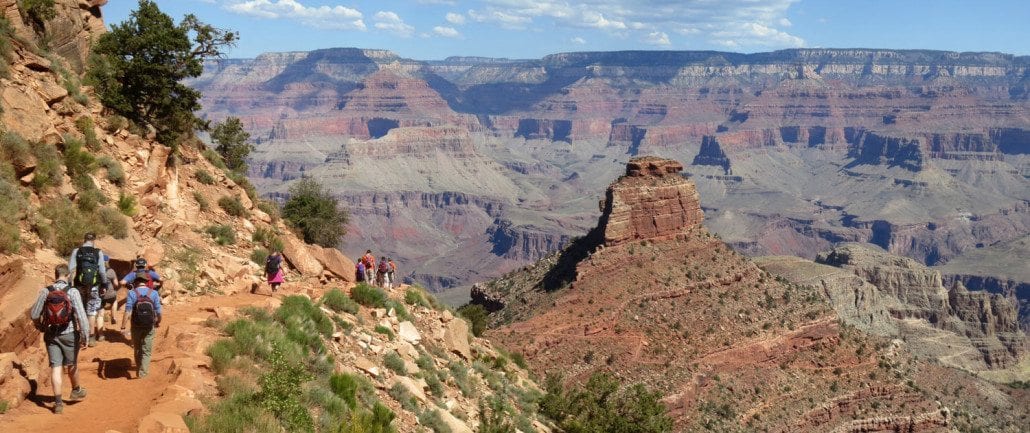
There’s welcome news for hikers planning a trip to Grand Canyon National Park. Following weeks of repairs to trails damaged by recent flash flooding, the National Park Service has announced the reopening of several important inner-canyon routes, including sections of the popular Bright Angel and South Kaibab Trails.
The October 26, 2026 announcement marks an important step in restoring access to some of the Grand Canyon’s most remarkable hiking experiences. However, several significant closures remain in effect, and visitors should prepare carefully before heading below the rim.
Which Grand Canyon Trails Have Reopened?
According to the National Park Service, the following trails and sections have reopened to hikers:
- South Kaibab Trail: The section below The Tipoff has reopened, restoring access along this scenic route deeper into the canyon.
- River Trail: The entire trail connecting the South Kaibab Trail to the Bright Angel Trail has reopened.
- Bright Angel Trail: The section between Mile-and-a-Half Resthouse and Havasupai Gardens has reopened to hikers. This section remains closed to mule and other stock use while additional repairs continue.
These reopenings provide more options for hikers hoping to explore the Grand Canyon’s dramatic landscapes below the South Rim.
Visitors should remember that reopened trails may still be undergoing maintenance. Trail crews will continue technical repairs along Bright Angel Trail, and hikers may encounter temporary closures, delays or restricted access with little advance notice.
Important Grand Canyon Trail Closures Remain
While the reopenings are encouraging, several popular inner-canyon destinations and crossings remain closed as recovery efforts continue.
The following areas remain closed:
- Black Bridge
- Silver Bridge
- Phantom Ranch
- The entire North Kaibab Trail
These closures are necessary to protect public safety while crews assess damage and complete repairs.
The continued closure of both Colorado River pedestrian bridges also means hikers cannot use the normal river crossings. Visitors should not assume that traditional rim-to-river or rim-to-rim hiking routes are available.
Entering areas closed by the National Park Service is prohibited and may result in a citation.
Planning a Grand Canyon Hike? Bring Your Own Water
One of the most important considerations for hikers visiting during the fall and winter season is the availability of drinking water.
The National Park Service has confirmed that water will remain turned off at the following locations for the remainder of the winter season:
- Mile-and-a-Half Resthouse
- Three-Mile Resthouse
- Havasupai Gardens
Hikers should carry sufficient drinking water for their entire journey, along with appropriate water filtration or treatment equipment if they plan to rely on natural water sources.
Remember that hiking into the Grand Canyon is very different from hiking out. The steep climb back to the rim can be physically demanding, and temperatures can vary considerably between the South Rim and the canyon floor.
Visitors should also be aware that emergency response times may be delayed in the inner canyon and rescue services cannot be guaranteed.
What Do the Reopenings Mean for Grand Canyon Visitors?
For travelers planning a South Rim vacation, the reopening of these trail sections is an encouraging sign of progress following the flooding.
The Bright Angel and South Kaibab Trails are among the park’s best-known hiking routes, offering extraordinary views of the canyon’s layered rock formations and vast geological landscape.
However, the latest announcement does not mean that every hiking route has returned to normal. Before choosing a trail, visitors should verify which sections are open, determine an appropriate turnaround point and account for possible maintenance delays.
Fortunately, there is much more to experience at the Grand Canyon than hiking below the rim. The South Rim offers spectacular viewpoints, scenic drives, photography opportunities and visitor attractions that help travelers appreciate one of the world’s most extraordinary natural wonders.
Experience the Grand Canyon’s Story at the IMAX Theater
Whether you’re planning an adventurous hike or simply enjoying the incredible scenery from the South Rim, understanding how the Grand Canyon was formed adds an entirely new dimension to your visit.
Located in Tusayan, just outside the South Entrance to Grand Canyon National Park, the Grand Canyon Visitor Center IMAX offers an immersive introduction to the canyon’s extraordinary history.
The film Grand Canyon: Rivers of Time takes audiences on a remarkable journey through the canyon’s geological formation, the powerful forces of the Colorado River and the human stories that have shaped this landscape over thousands of years.
Presented on a giant IMAX screen, the film provides a perspective on the Grand Canyon that visitors cannot experience from the rim alone.
It’s an excellent addition to a day of sightseeing, particularly for families, first-time visitors and travelers looking for an indoor experience before or after exploring the national park.
Discover Grand Canyon: Rivers of Time and save up to 20% when purchasing IMAX tickets online.
Check Grand Canyon Trail Conditions Before You Visit
Conditions in Grand Canyon National Park can change quickly, particularly as crews continue repairing damage from recent flooding.
Before setting out, hikers should consult the National Park Service’s Key Hiking Messages and Current Closures page for the latest information about trail access, drinking water availability, weather and safety advisories.
Visitors can also explore our Grand Canyon planning resources for more information about making the most of their South Rim vacation.
The reopening of these inner-canyon trails is an important milestone in the park’s recovery. With thoughtful preparation and an understanding of the remaining restrictions, visitors can continue to enjoy the breathtaking beauty of Grand Canyon National Park safely.
Source: National Park Service, Grand Canyon Office of Communications, October 26, 2026. Trail information reflects the announcement on that date and is subject to change.

